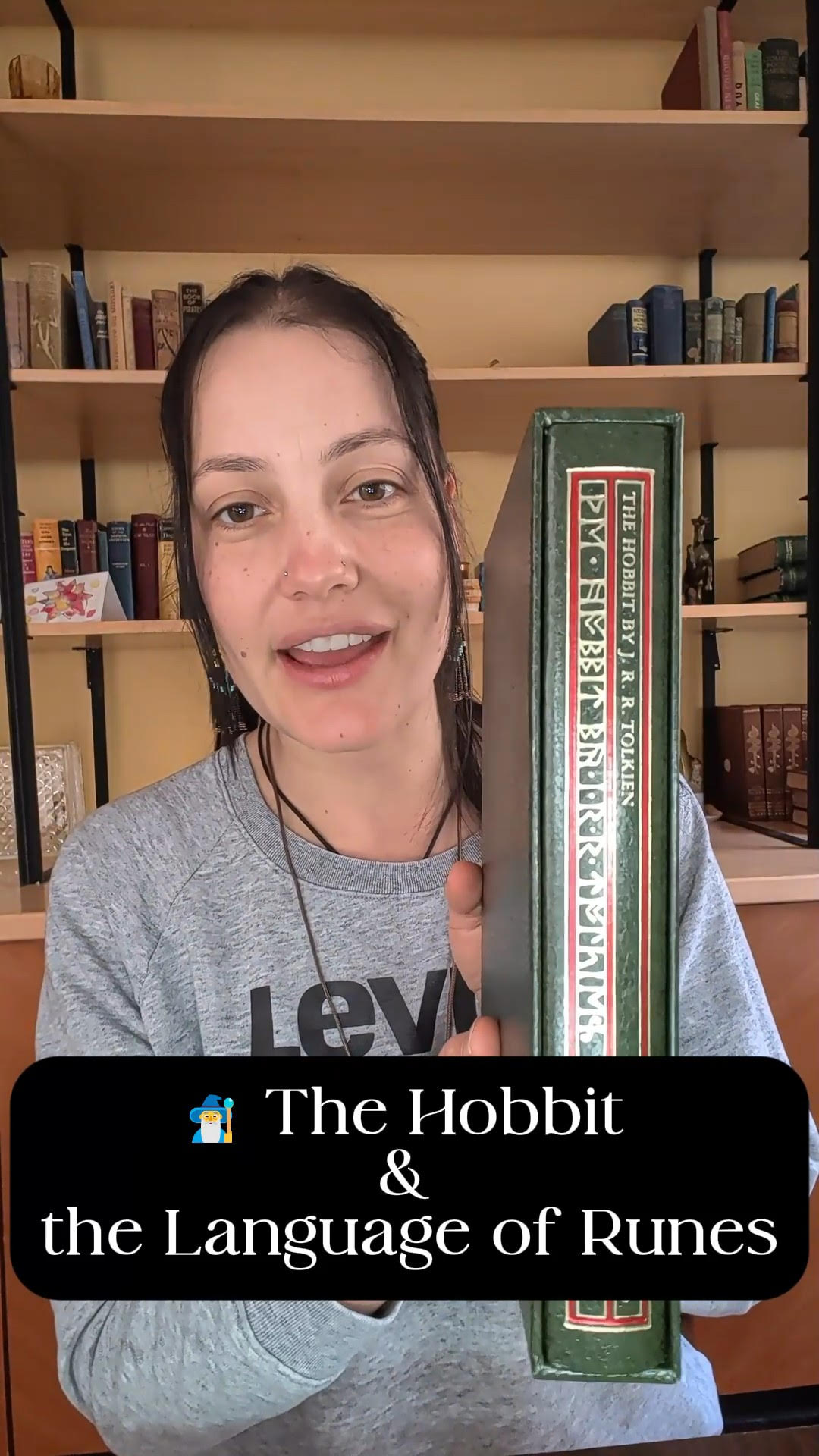
A closer look at Tolkien’s use of runic language and the role it plays in The Hobbit.
Tolkien’s work has always stood out to me, but not just for the story itself. There’s something in the way he approached language that feels different—more intentional, more layered.
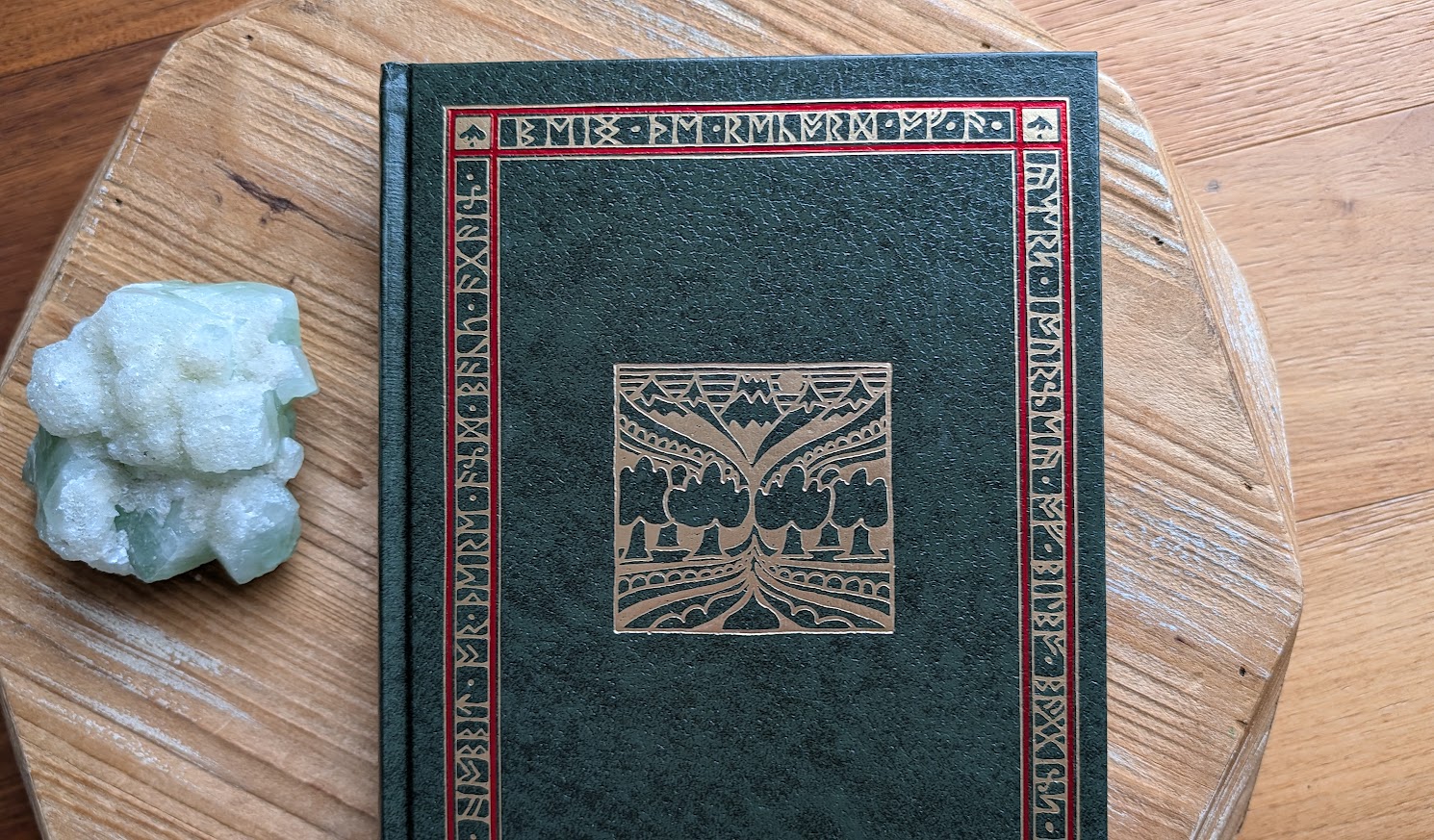
In The Hobbit, the use of runes isn’t simply decorative. It reflects his deeper interest in early writing systems and the role language plays in shaping a world. Some of the runes are inspired by older alphabets, while others were adapted or created to fit the cultures within Middle-earth.
It’s one of those details that can be easy to overlook at first, but once you notice it, it adds another dimension to the reading.
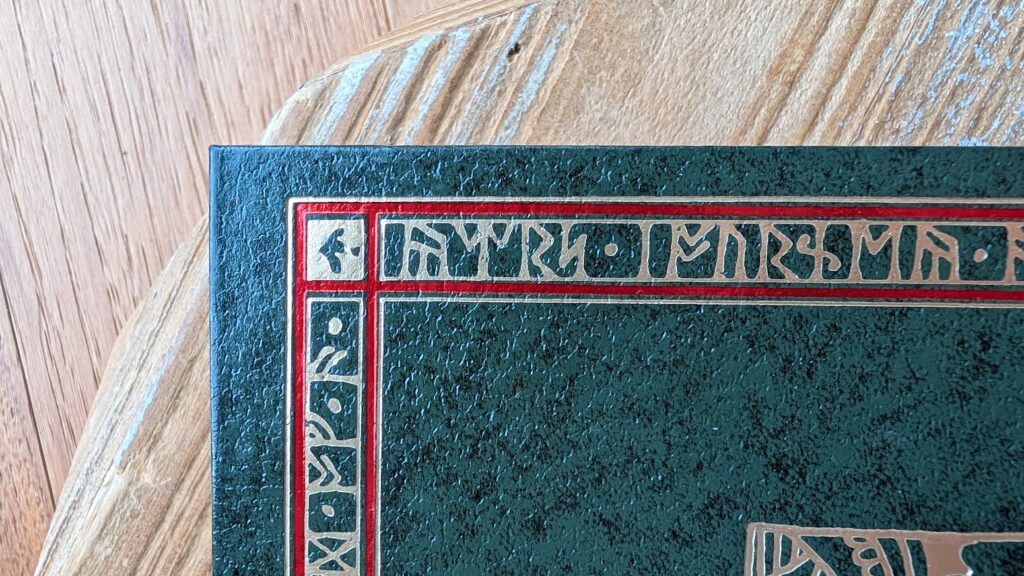
This was one of my favourite stories growing up. It honestly set a standard that made other books feel a little quieter for a while afterwards.
I’ve made this particular copy available through Ash Tree Books for anyone who feels drawn to it.
View the full listing here:
1966 The Hobbit by J.R.R. Tolkien – Collector’s Edition in Slipcase
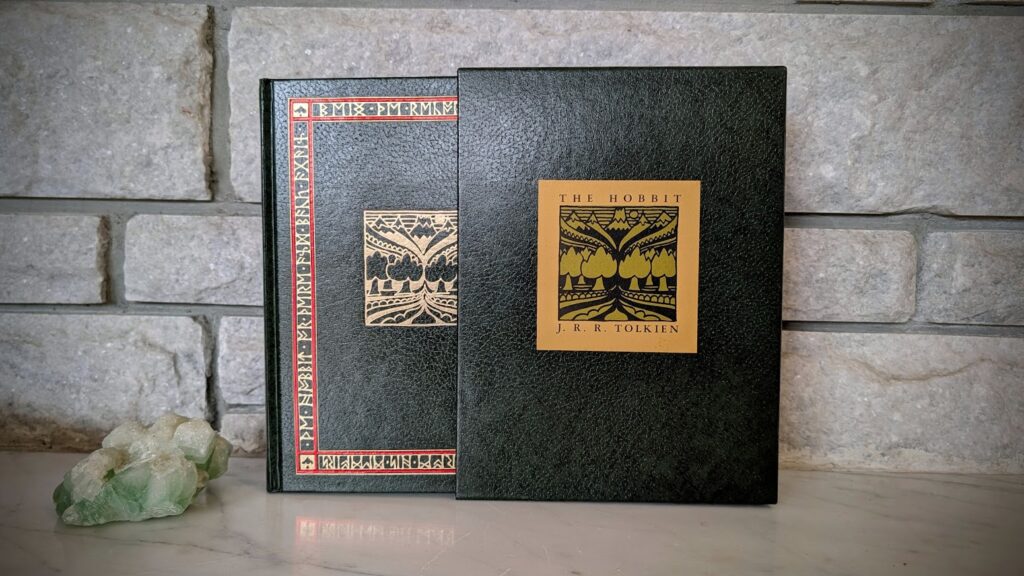
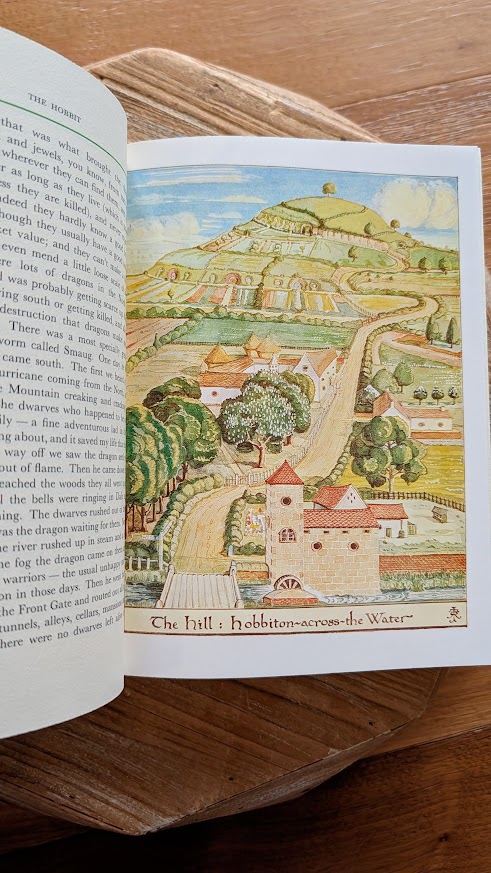
The edition shown in the video is a 1966 printing, bound in green with runic detailing and housed in its original slipcase. It includes Tolkien’s own illustrations and maps, which further reflect his connection between language, symbol, and story.